Introduction
In today’s world, securing your home is more important than ever. One of the most vulnerable points of entry is the garage, which often houses valuable items and can provide access to the main house. Therefore, enhancing garage door security should be a top priority for homeowners. A simple yet effective solution is installing a garage door anchor. This Step-by-Step Guide to Installing a Garage Door Anchor for Extra Security will walk you through everything you need to know, from choosing the right materials to final installation tips.
Understanding Garage Door Anchors
What is a Garage Door Anchor?
A garage door anchor is a device installed on or near your garage door that secures it in place, preventing unauthorized opening. It acts as an additional layer of protection against break-ins and severe weather conditions.
Why Install a Garage Door Anchor?
Installing a garage door anchor can significantly enhance your security by:
- Preventing forced entry Reducing the risk of damage caused by extreme weather Offering peace of mind when you're away from home
Choosing the Right Materials for Your Garage Door Anchor
Types of Garage Door Anchors
When selecting materials, you will find various types of anchors:
Concrete Anchors: Ideal for concrete floors; they offer robust support. Steel Anchors: Durable and resistant to rust; excellent for heavy doors. Plastic Anchors: Suitable for lighter doors but may not provide maximum security.Cost Considerations
Costs vary based on material quality and type:
| Type | Average Cost | Durability | |-----------------|--------------|----------------| | Concrete | $10-$20 | High | | Steel | $15-$30 | Very High | | Plastic | $5-$15 | Moderate |
Step-by-Step Guide to Installing a Garage Door Anchor for Extra Security
Step 1: Gather Necessary Tools
Ensure you have all the tools at hand before starting your project:
- Drill Screwdriver Level Tape measure Marking pencil
Step 2: Choose an Installation Location
Select an appropriate location where the anchor will be most effective—preferably on or near the bottom rail of your garage door.
Step 3: Measure and Mark
Using your tape measure, identify where you’ll install the anchor. Mark these points clearly with your marking pencil.
Step 4: Drill Holes
Carefully drill holes into the marked areas. Ensure you use a drill bit suited for the material (wood, concrete, etc.).
Step 5: Install the Anchor
Insert the anchor into the drilled holes according to its specifications. Make sure it fits snugly without excessive force.
Step 6: Secure It in Place
Once inserted, use screws or bolts as required to secure it firmly in place.
Step 7: Test Stability
Before considering your installation complete, test the stability of your newly installed anchor by attempting to move or pull it gently.
Maintaining Your Garage Door Anchor
Regular Inspections
Conduct routine inspections every few months to ensure that no rust or wear has compromised your anchor’s integrity.
Lubricating Parts
Applying lubricant as necessary can prolong its lifespan and operational efficiency.
Garage Door Maintenance Benefits
Regular maintenance ensures that both your garage door and anchor function effectively over time. Some benefits include:
- Improved safety features Extended lifespan of components Enhanced property value due to well-maintained installations
Common Garage Door Failures Related to Security
While anchors help in securing doors, understanding common failures can also enhance security:
Worn-out Springs: Can cause doors to malfunction. Damaged Panels: Weakens overall structure. Faulty Openers: May allow unauthorized access if not functioning properly.DIY Garage Door Troubleshooting Tips
If you encounter issues with your garage door after installing an anchor, consider these DIY troubleshooting tips:
Check power supply connections if using electric openers. Inspect springs and cables regularly. Ensure tracks are clean and free from obstruction.Choosing a Garage Door Repair Service
Should repairs be necessary, knowing how to choose reliable services is vital:
Look for certified professionals. Read customer testimonials online. Compare quotes from multiple services before deciding.Weather Impact on Garage Doors
Extreme weather conditions can affect garage doors significantly:
- Heavy rains may lead to moisture accumulation. High winds can dislodge unsecured doors.
Ensuring that anchors are properly installed can mitigate these risks effectively.
Professional vs DIY Installation
There’s often debate about whether installing an anchor should be DIY or left to professionals:
- DIY Advantages: Cost savings Personal satisfaction Professional Advantages: Expertise guarantees safe installation Warranty coverage often included
Weighing these factors will help determine what’s best for you.
Garage Accessories That Complement Security
Apart from anchors, several accessories can enhance security further:
Motion sensor lights Keypad entry systems Surveillance camerasIncorporating some of these options can create comprehensive security solutions for your home.
Garage Door Replacement Options
If considering upgrades beyond anchors, various replacement options exist like insulated doors or composite designs that offer improved energy efficiency and aesthetics alike.
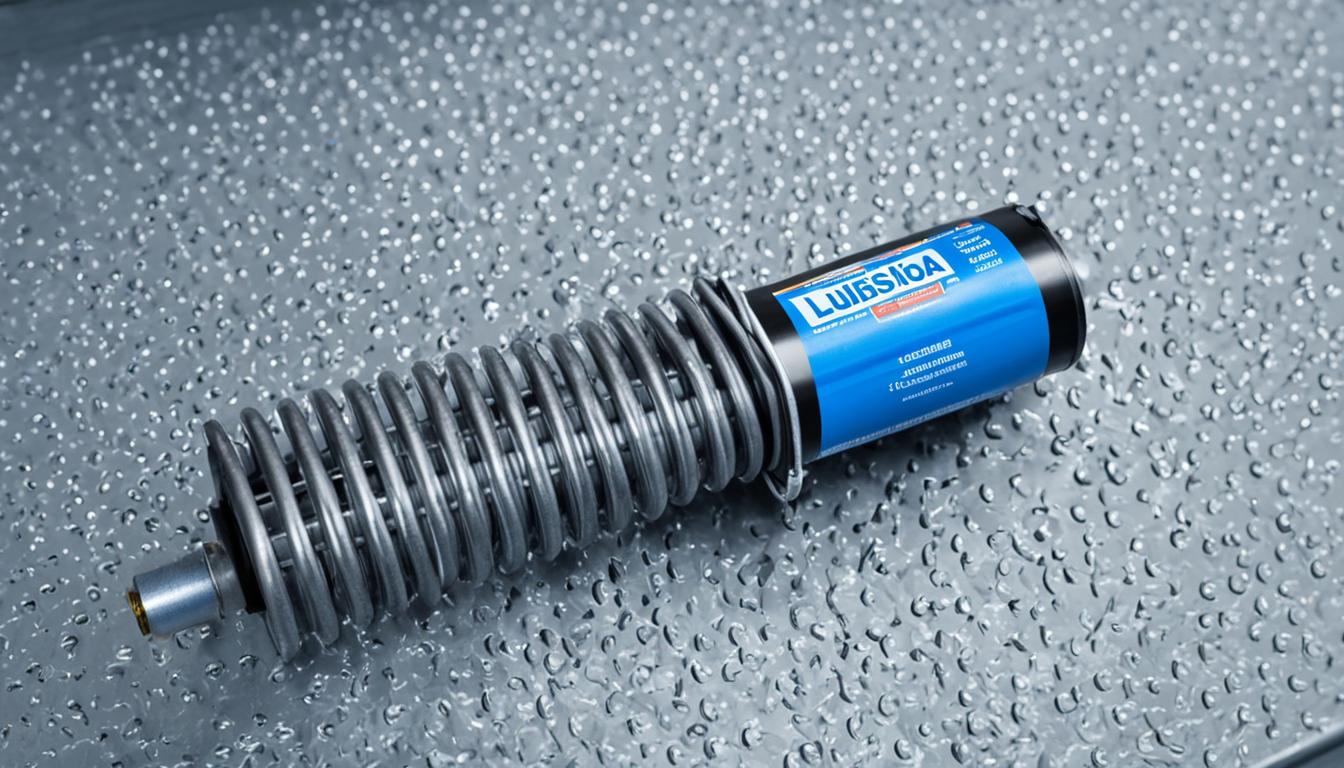
Advanced Overhead Door Features
Innovations in technology mean many overhead doors now come equipped with advanced features such as smart openers that utilize Wi-Fi technology—granting remote access control via smartphone apps!
FAQ Section
What are the benefits of installing a garage door anchor?
Installing a garage door anchor enhances security by preventing unauthorized access and protecting against severe weather conditions while ensuring peace of mind when away from home.
How often should I inspect my garage door?
Regular inspections should occur every three months at minimum; this helps detect reliable garage door service providers potential issues early on before they escalate into costly repairs or replacements.
Can I install an anchor myself?
Yes! This guide provides steps tailored specifically for DIY enthusiasts looking forward to enhancing their home’s safety without professional intervention!
What tools do I need for installation?
Basic tools needed include a drill, screwdriver, level, tape measure, and marking pencil among others outlined earlier in this guide!
How do I maintain my newly-installed anchor?
Routine checks coupled with periodic lubrication will keep it functioning optimally over time!
Are there eco-friendly options available?
Indeed! Many manufacturers now produce eco-friendly materials aimed at reducing environmental impact while still providing durability garage door repairs & style—consider researching available choices today!
Conclusion
Securing your home should never be taken lightly; hence implementing strategies like installing a durable garage door anchor serves as an effective deterrent against unwanted entry while fortifying resilience against nature's elements too! Remember this comprehensive guide whenever you're ready so that every step leads toward bolstering both safety & convenience within one single project!