Introduction
In the world of construction and home improvement, selecting the right materials for your projects is paramount—especially when considering climate conditions. The materials you choose not only impact the aesthetic appeal of your property but also its durability, energy efficiency, and maintenance requirements. This article aims to delve deep into the various types of materials used in garage doors and other home structures, focusing on how different trusted garage door service company climatic conditions affect their performance. Whether you're looking for information on garage door maintenance or need help with emergency garage repair, we've got you covered.
Evaluating Different Materials Based on Climate Conditions
When it comes to evaluating different materials based on climate conditions, several factors come into play. For garage door repairs instance, consider a region that experiences heavy rainfall versus one that faces extreme heat. Each environment presents unique challenges that can significantly affect the longevity and functionality of building materials.
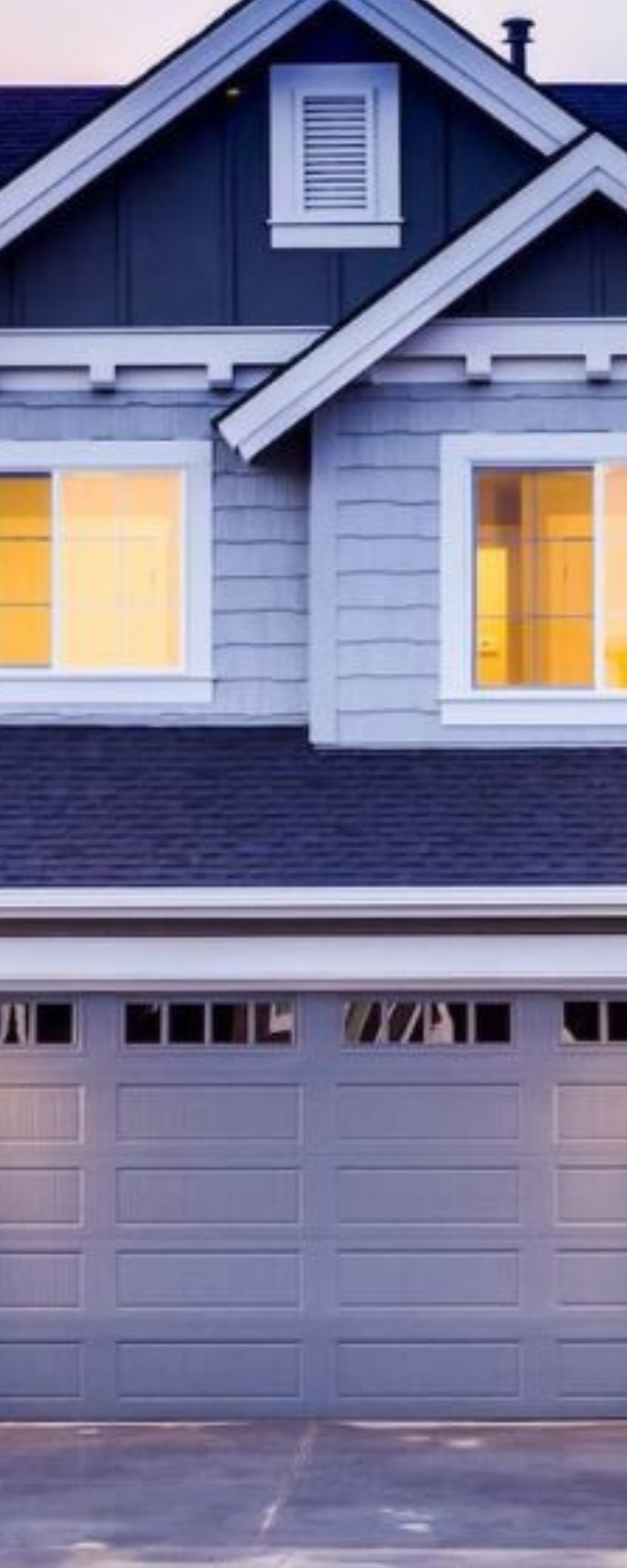
Understanding Climate Zones
Climate zones are categorized based on temperature ranges, humidity levels, precipitation patterns, and seasonal variations. Understanding these zones is essential for making informed decisions about building materials.
Types of Climate Zones
Tropical Climate: Characterized by high temperatures and significant rainfall. Dry Climate: Features low moisture levels with hot summers and cold winters. Temperate Climate: Experiences moderate temperatures and distinct seasons. Polar Climate: Marked by extremely cold temperatures year-round.Material Selection Based on Climate
Choosing the right material for your garage door or home structure involves assessing how each material will perform under specific climate conditions.
Wooden Garage Doors
- Pros: Aesthetic appeal, natural insulation properties. Cons: Prone to warping in humid environments; requires regular garage door maintenance.
Metal Garage Doors
- Pros: Durable and resistant to harsh weather conditions. Cons: Can rust in moist climates; requires treatments like galvanizing.
Vinyl Garage Doors
- Pros: Low maintenance and resistant to dents. Cons: Can fade or warp in extreme heat.
Assessing Garage Door Performance in Different Climates
How do various garage door materials hold up against extreme environmental conditions?
Moisture Resistance
In regions with high humidity or frequent rain:
- Wooden doors may swell or rot if not properly treated. Metal doors need protective coatings to avoid rust. Vinyl performs well due to its inherent moisture resistance.
Heat Resistance
For areas experiencing high temperatures:
- Wooden doors can crack if not maintained properly. Metal doors may become hot to touch but are generally durable. Vinyl can warp if exposed to intense sunlight over an extended period.
The Importance of Insulation
Insulated garage doors are crucial for maintaining a comfortable indoor environment while improving energy efficiency:
Benefits of Insulated Garage Doors
Reduced energy costs Enhanced comfort during extreme temperatures Improved noise reductionCommon Garage Door Problems Across Different Climates
Regardless of the material chosen, certain issues may arise due to climatic influences:
1. Rusting
Commonly seen in metal garage doors in humid areas. Regular garage door maintenance can mitigate this issue through proper sealing and treatment.
2. Warping
More prevalent in wooden doors exposed to moisture; ensuring proper installation can help minimize this problem.
3. Fading Paint
A common concern for vinyl or painted metal doors in sunny climates; choosing UV-resistant paints can help maintain aesthetics.
Garage Door Repair Options Based on Material Types
Understanding potential issues allows homeowners to prepare for necessary repairs effectively:
- Emergency Garage Repair Services
If you find yourself facing urgent problems such as a broken spring or malfunctioning motor, knowing reliable local services is vital.
- DIY Maintenance Tips
Regular checks for wear-and-tear are essential across all types of garage doors:
- Inspect cables and rollers regularly. Lubricate moving parts annually. Test safety sensors monthly.
FAQs
What is the best material for a garage door in a humid climate?- Vinyl or galvanized steel are recommended as they resist moisture better than wood or untreated metals.
- Ideally, conduct basic inspections every month and more thorough checks bi-annually.
- Yes! You can apply insulation kits specifically designed for this purpose without replacing the entire door.
- Look out for unusual noises during operation, difficulty opening/closing, or visible damage like dents or rust spots.
- Absolutely! They provide long-term savings on energy bills while enhancing comfort levels inside your garage space.
- Online reviews and local directories are great starting points; always check ratings before settling on a service provider!
Conclusion
Evaluating different materials based on climate conditions is crucial for ensuring long-lasting performance and reliability in both residential structures and specialized components like garage doors. Whether you're dealing with garage door spring repair, garage door track repair, or considering installing new insulated options, understanding how each material responds to its environment will guide you toward making informed choices that enhance functionality while minimizing future repair needs.
With diligent care—whether through regular maintenance tips or professional assistance—you can ensure that your investments stand up against whatever Mother Nature throws their way!